
Electronics and microfluidics
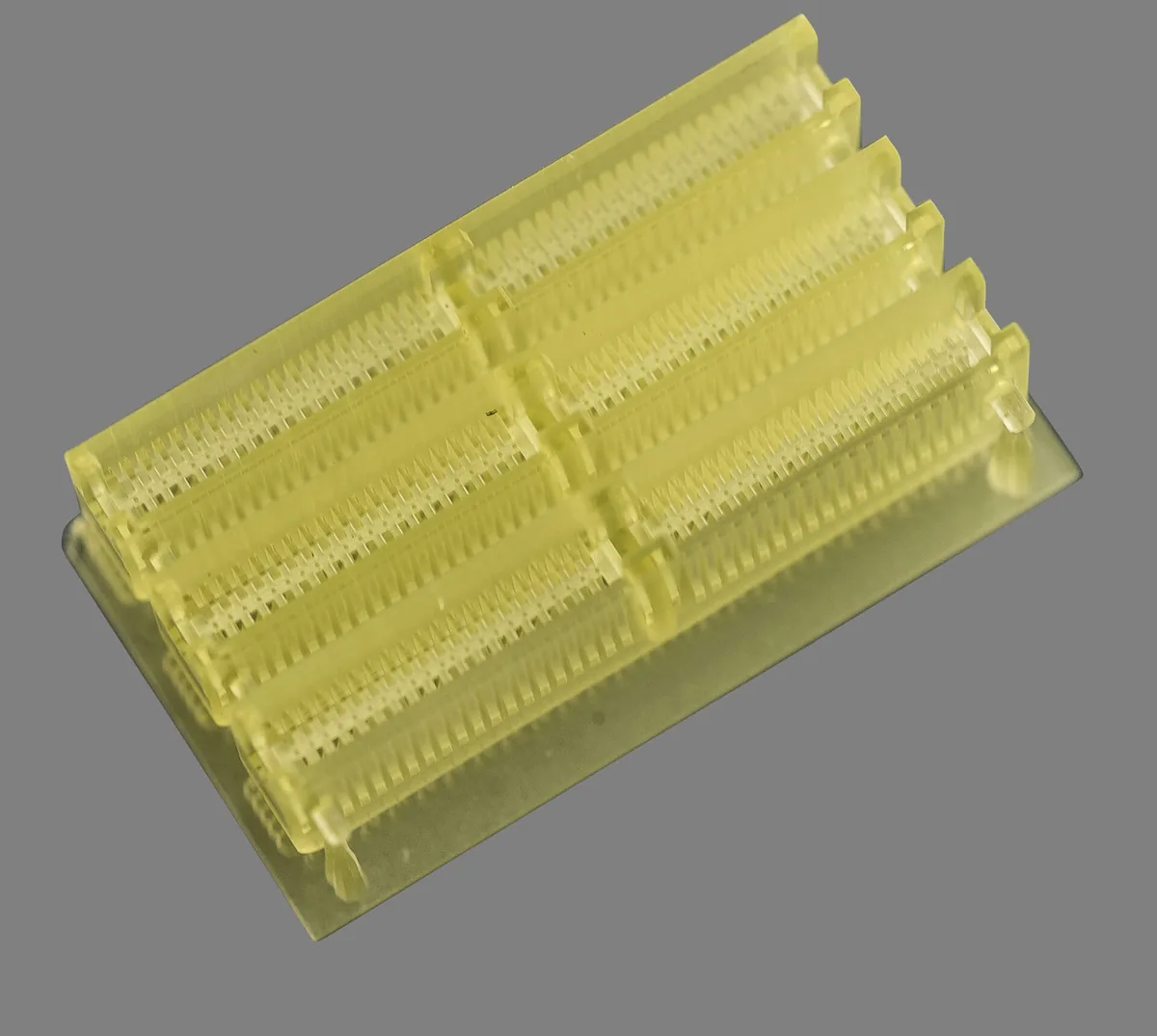
Miniaturized electronics and lab-on-chip devices need features measured in microns. Micro-precision printing produces connector housings, test sockets and microfluidic chips without molds.
What makes these parts hard
- Very fine pitch and wall thickness
- Tooling cost for low volumes
- Fast design changes
- Insulation and temperature resistance
How printed ceramics help
Micron-scale features
Fine pitches and thin walls that molding struggles with at low volume.
No molds
Pilot series and design variants without tooling cost or lead time.
Resin or ceramic
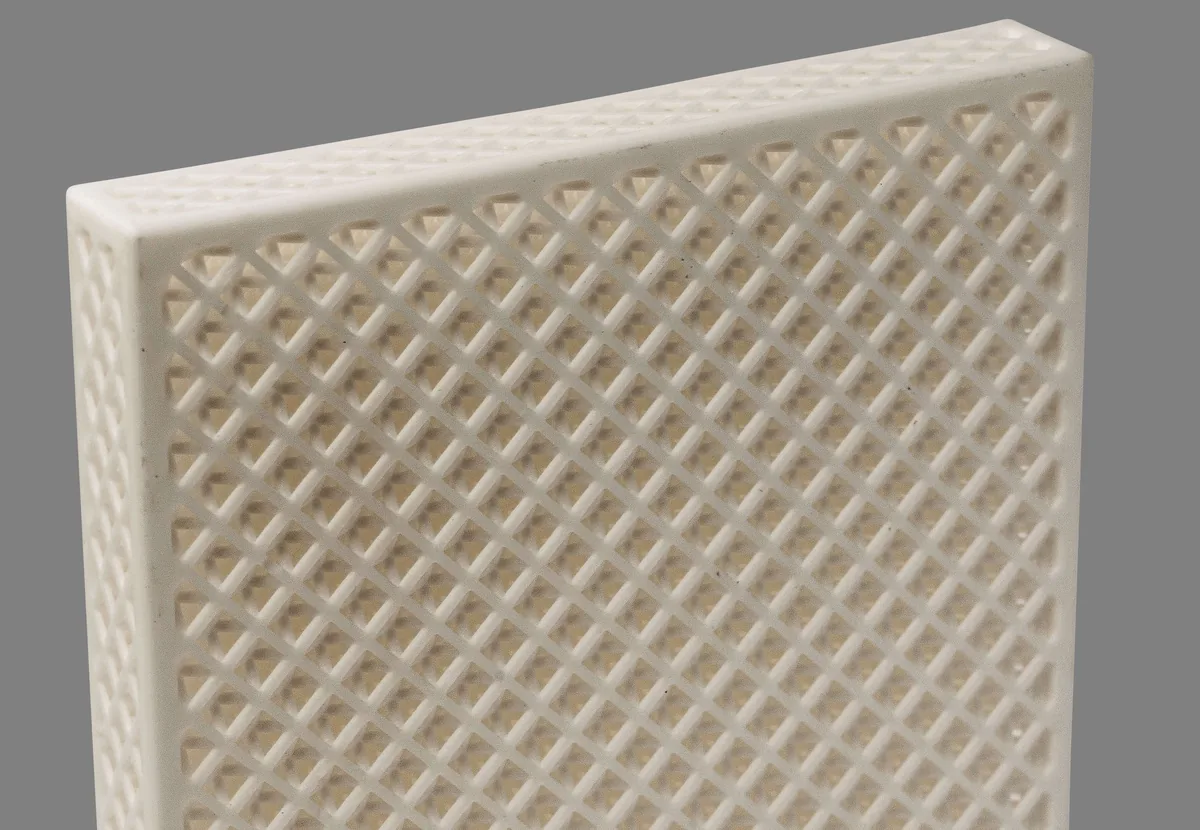
Prototype in resin, then move to ceramic where temperature or insulation demands it.
Typical parts
- Connector housings
- Test and burn-in sockets
- Microfluidic chips
- Fiber optic alignment parts
Send us the part that is hard to make
Share a STEP file or drawing. An engineer reviews it, suggests a material and replies with a quote. We sign your NDA first if you need one.