
Medical devices
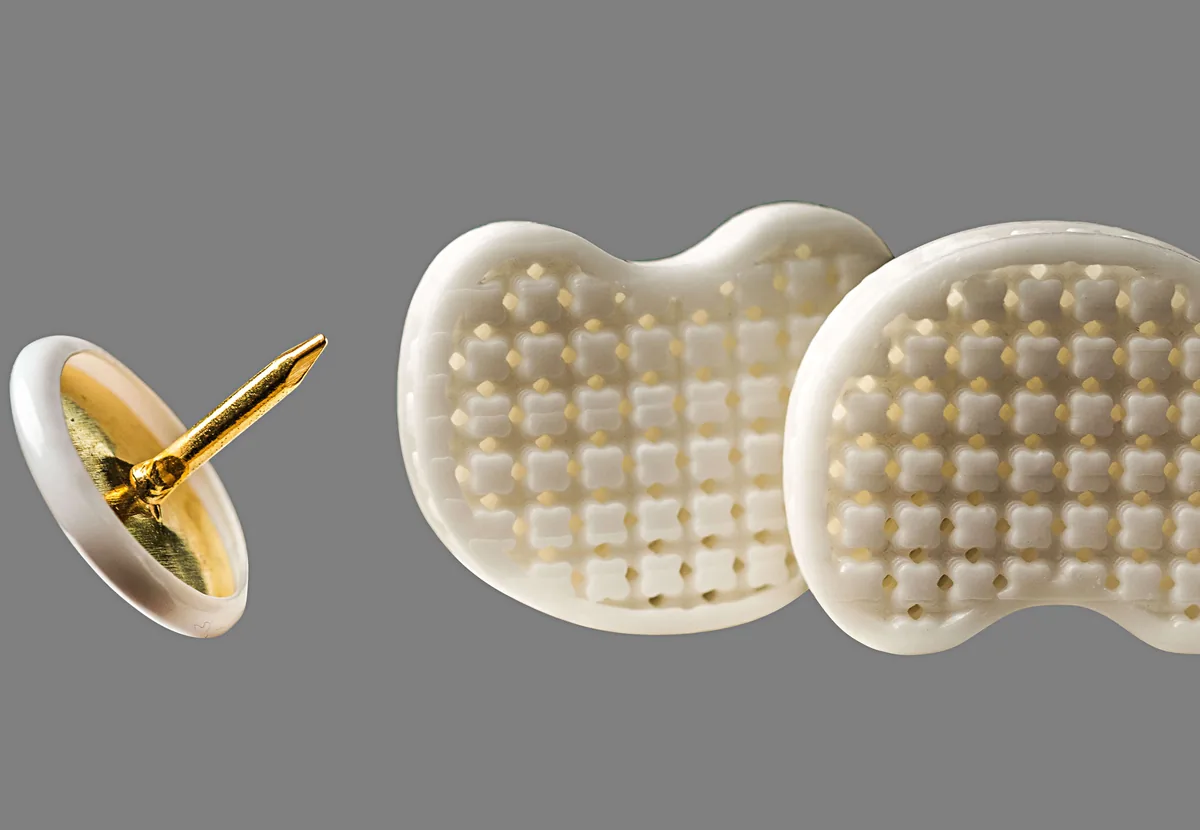
Medical device developers use printed ceramics for bone scaffolds, instruments and miniature components where biocompatibility and geometry matter more than volume.
confirm regulatory scope. State whether Z3Dlabs is the legal manufacturer of any device (with ISO 13485 and notified body details) or a component supplier to the legal manufacturer.
What makes these parts hard
- Patient-specific or highly complex shapes
- Controlled porosity for bone ingrowth
- Small, precise features on instruments
- Documentation for the device manufacturer’s technical file
How printed ceramics help
Designed porosity
Pore size and connectivity can be designed and printed, instead of left to chance as in foamed ceramics.
From CT data to part
Shapes derived from patient or anatomical data can be printed without tooling.
Prototype first
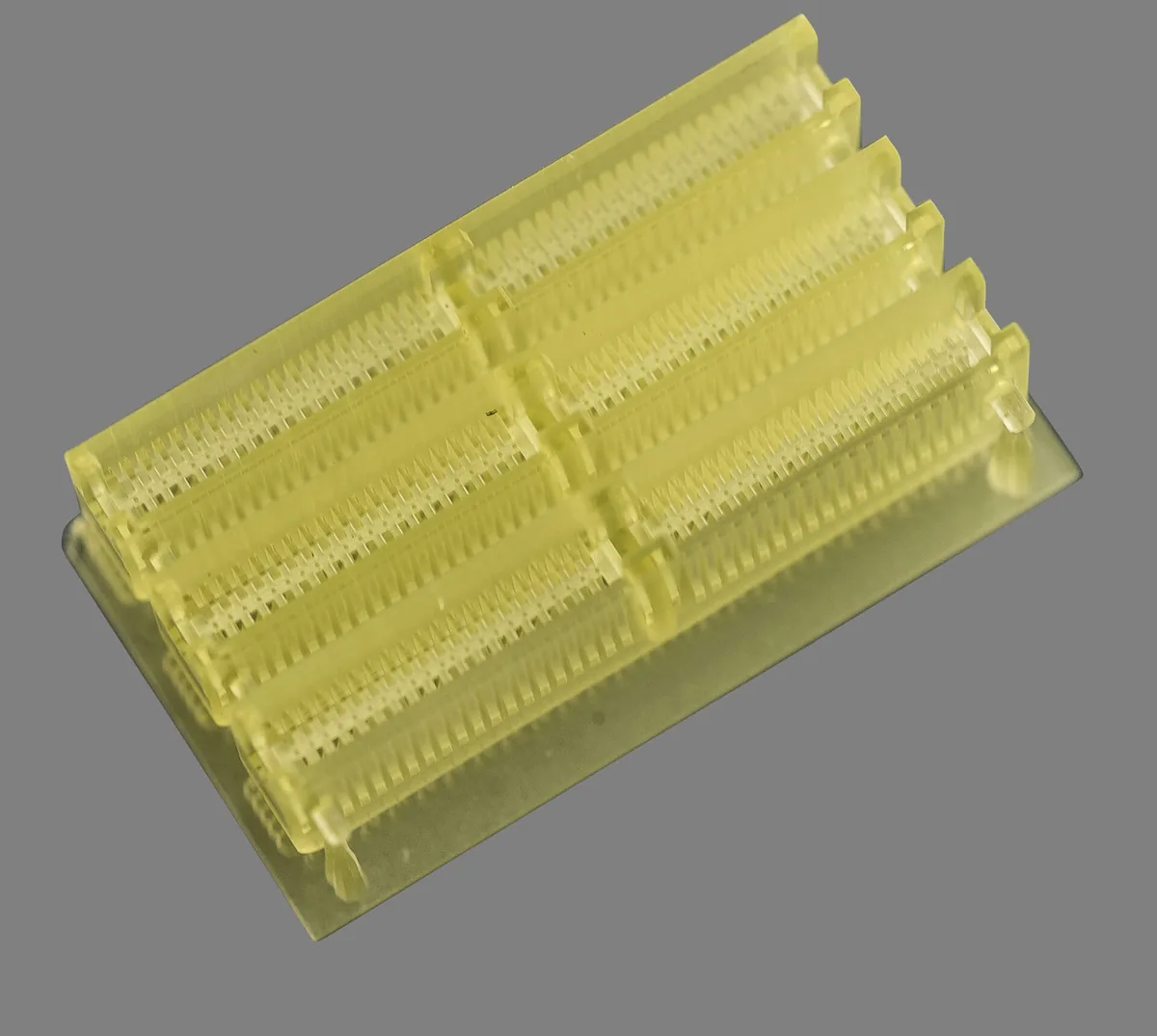
Form and fit can be checked in resin before committing to ceramic.
Typical parts
- Bone scaffold prototypes
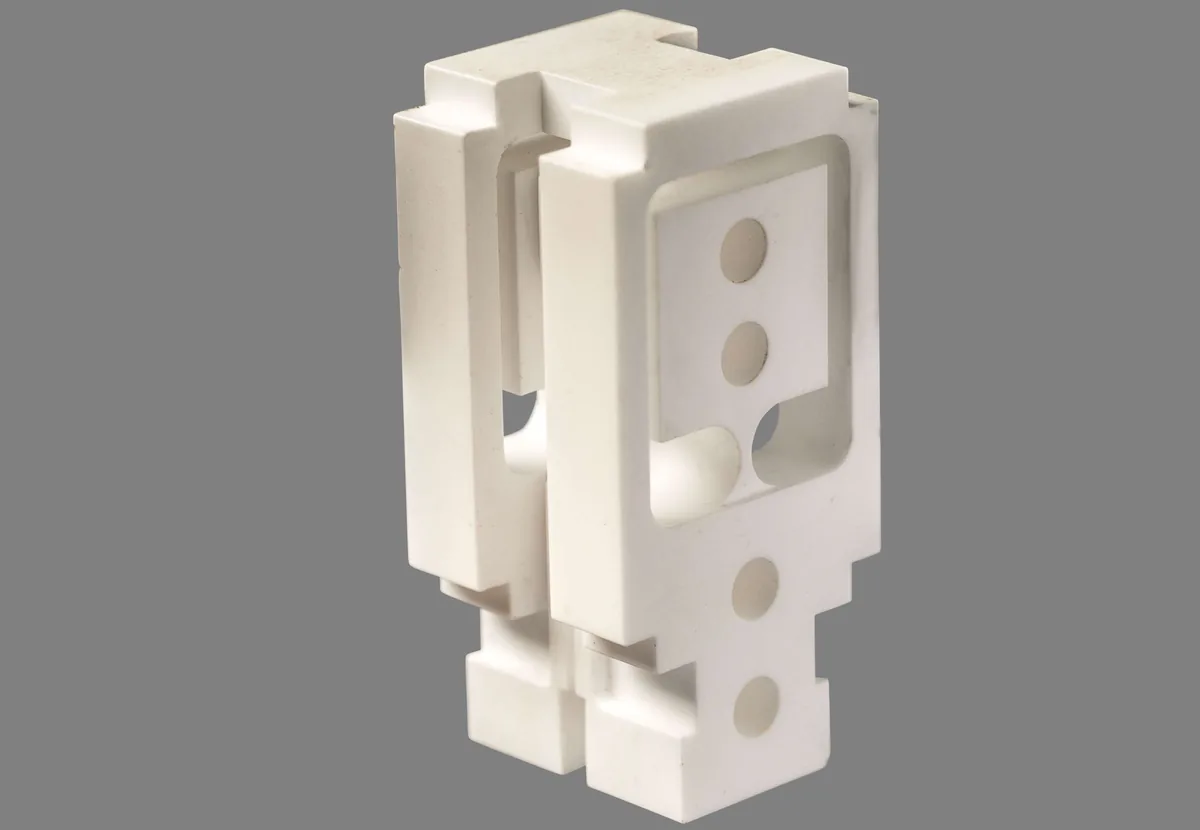
- Instrument tips and guides
- Miniature components for devices
- Test structures for cell culture
Case study
Hydroxyapatite scaffolds with designed porosity
Porous hydroxyapatite structures with controlled pore size for bone scaffold research.
Read the case studySend us the part that is hard to make
Share a STEP file or drawing. An engineer reviews it, suggests a material and replies with a quote. We sign your NDA first if you need one.