
Energy and chemical processing
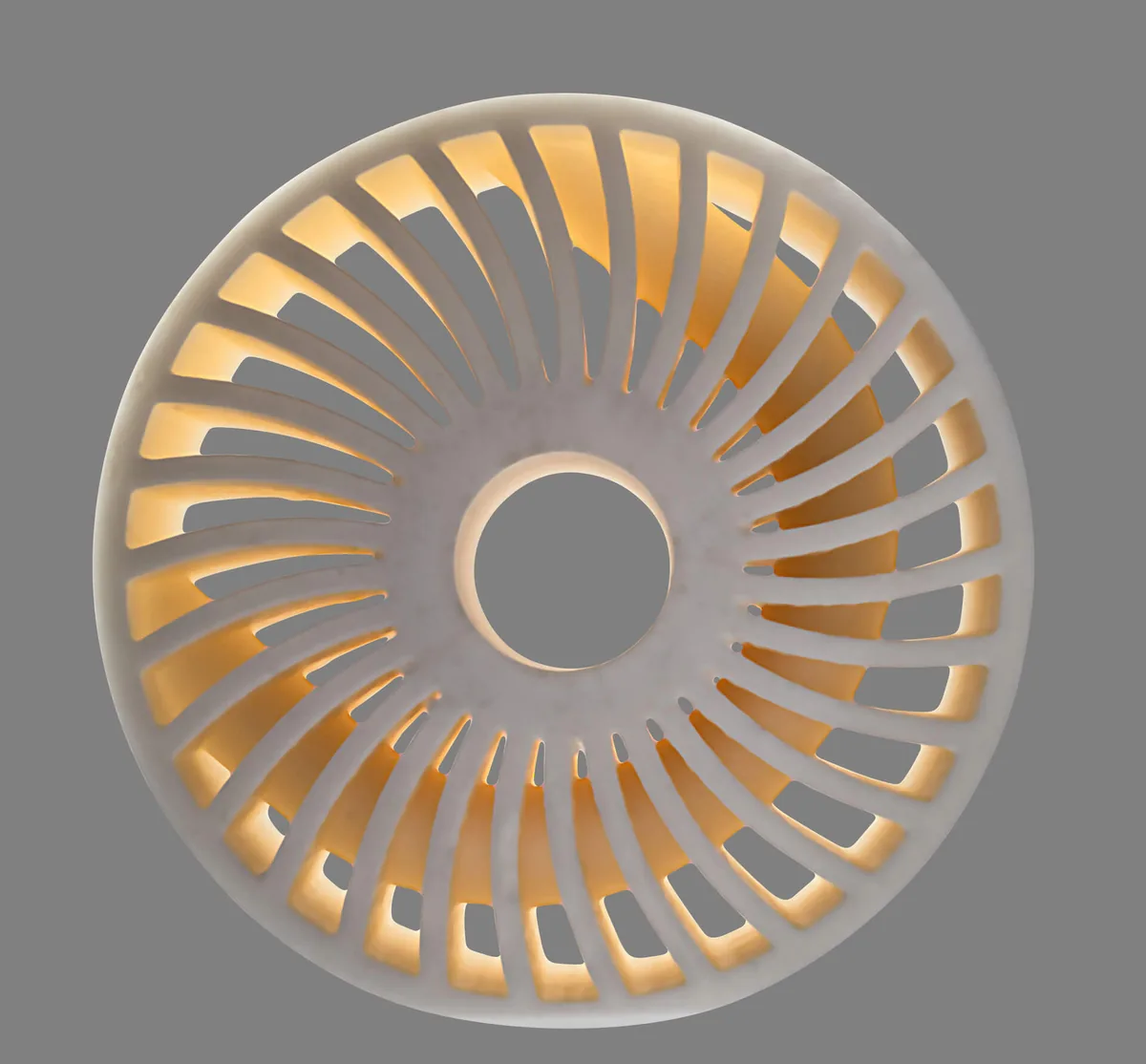
Chemical and energy processes run hot and corrosive. Printed ceramics bring designed internal geometry, such as gyroids and lattices, to heat exchangers, mixers, filters and catalyst carriers.
What makes these parts hard
- Corrosive media and high temperatures
- Surface area and flow distribution
- Pressure drop versus heat transfer
- Long lead times for tooled ceramic parts
How printed ceramics help
Designed surface area
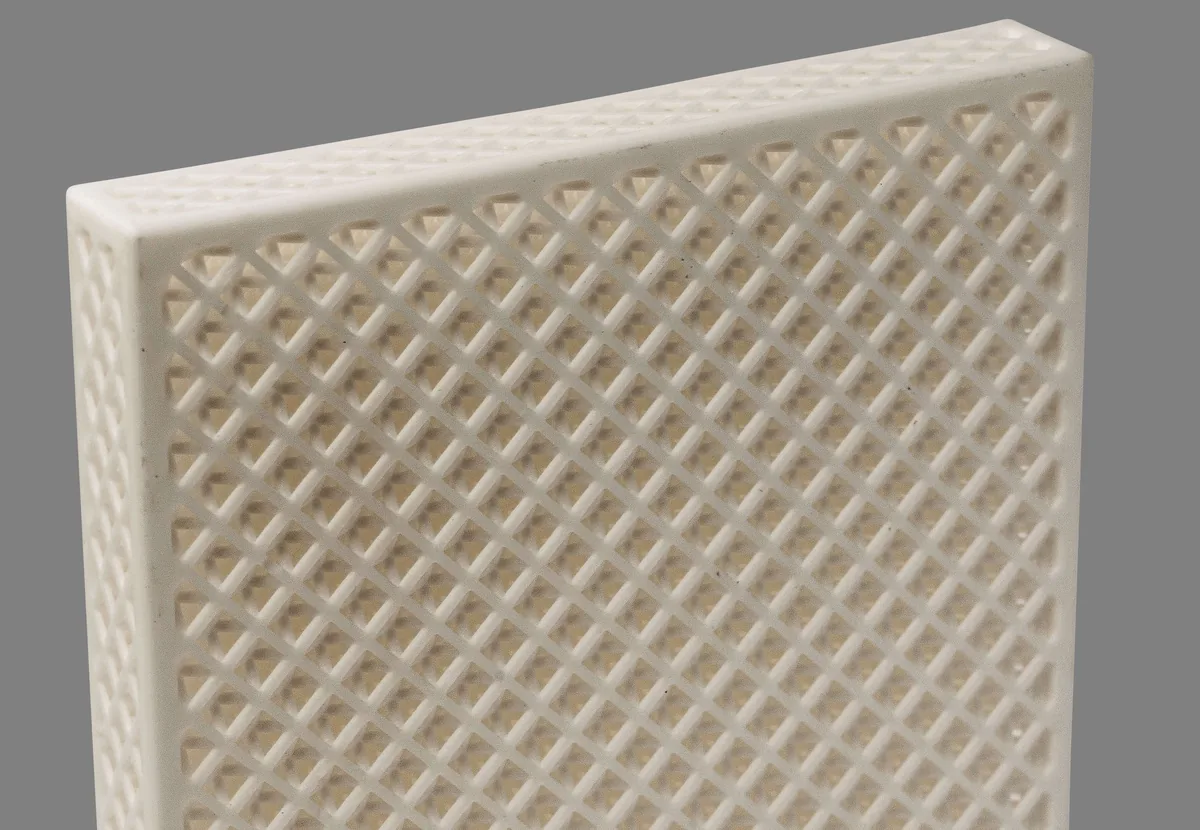
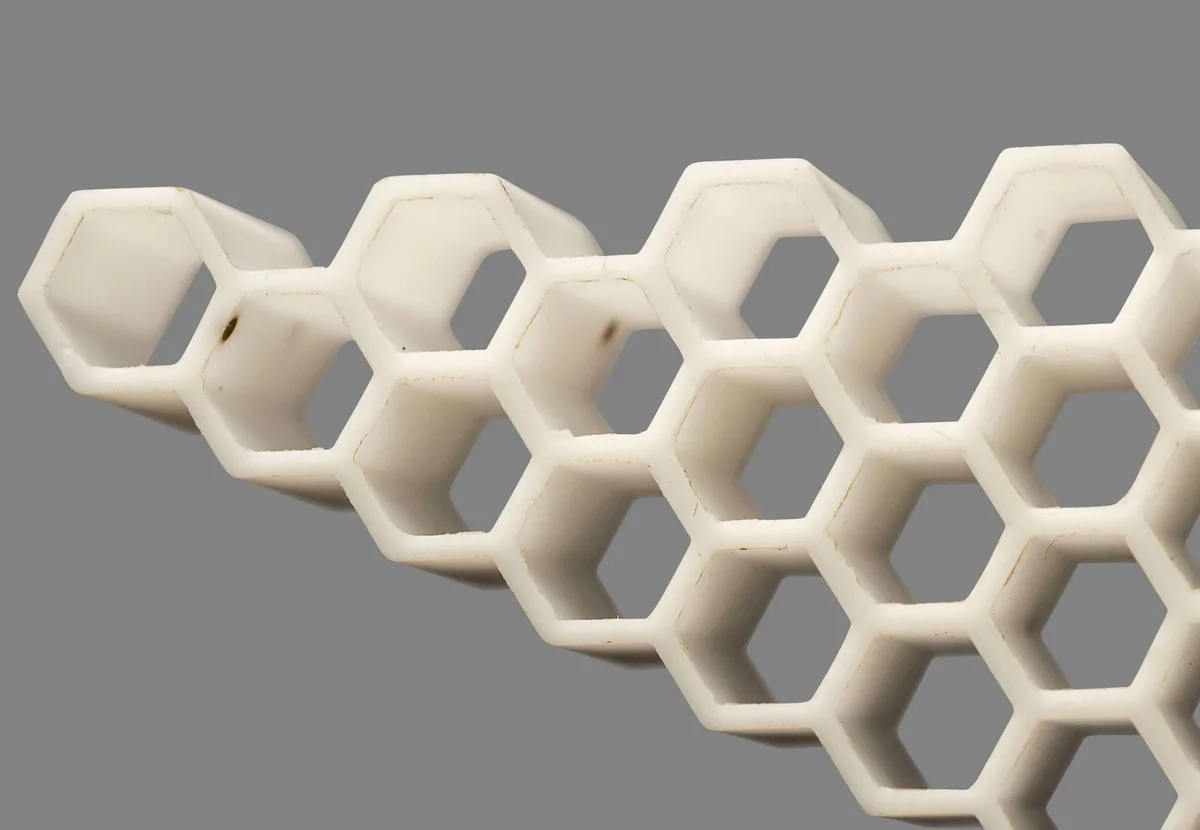
Gyroid and lattice structures provide large surface area with controlled flow paths.
Chemically inert
Alumina and zirconia resist most acids, alkalis and solvents.
No tooling
Design changes go straight to print, which suits pilot plants and test rigs.
Typical parts
- Compact heat exchangers
- Static mixers
- Filters and membranes supports
- Catalyst carriers
- Impellers and flow elements
Case study
Ceramic flow and heat-exchange structures
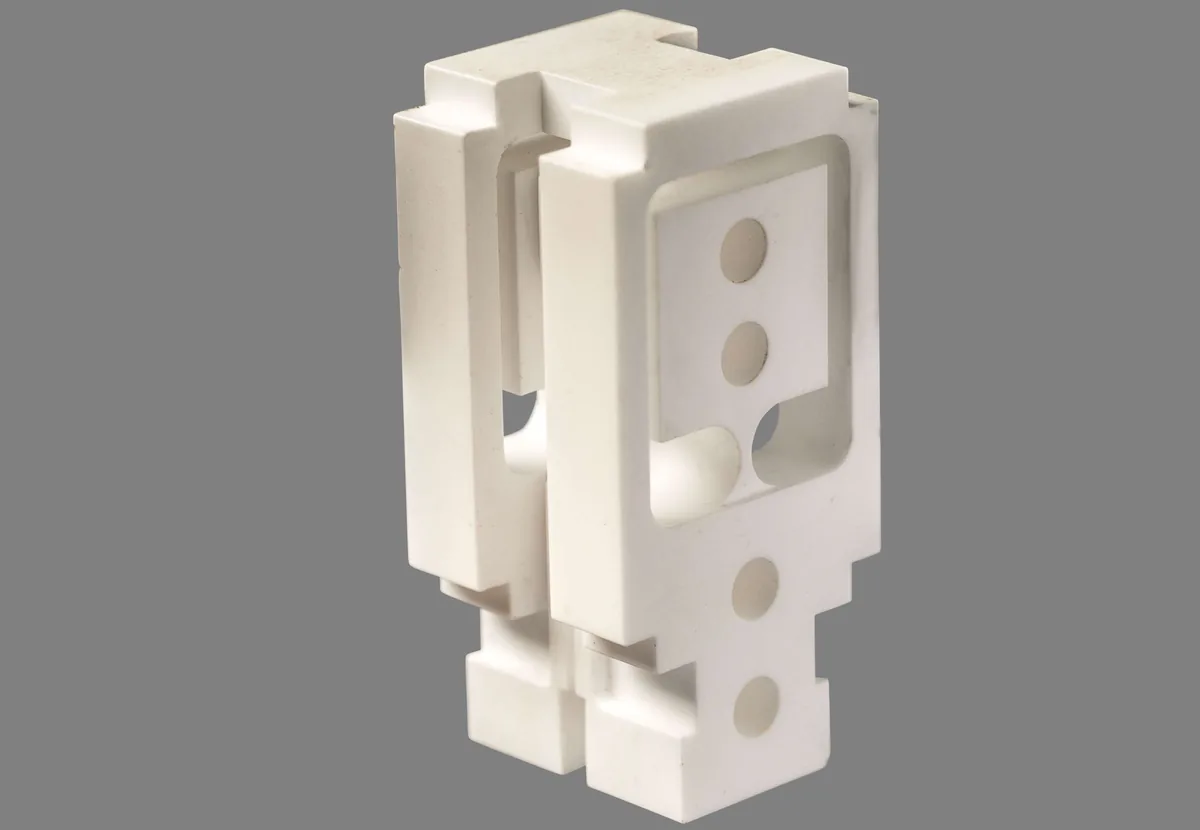
Thin-walled ceramic flow elements with internal geometry that cannot be machined.
Read the case studySend us the part that is hard to make
Share a STEP file or drawing. An engineer reviews it, suggests a material and replies with a quote. We sign your NDA first if you need one.