
Technical ceramic parts, printed to 2 microns
Z3Dlabs prints alumina, zirconia, cordierite and hydroxyapatite components, and micro-precision resin parts, for engineers in semiconductor, medical and aerospace. Every critical dimension is measured on our ZEISS PRISMO before a part leaves Oirschot.
Prefer to see it first? Visit an Open Lab Day or ask for a sample part.
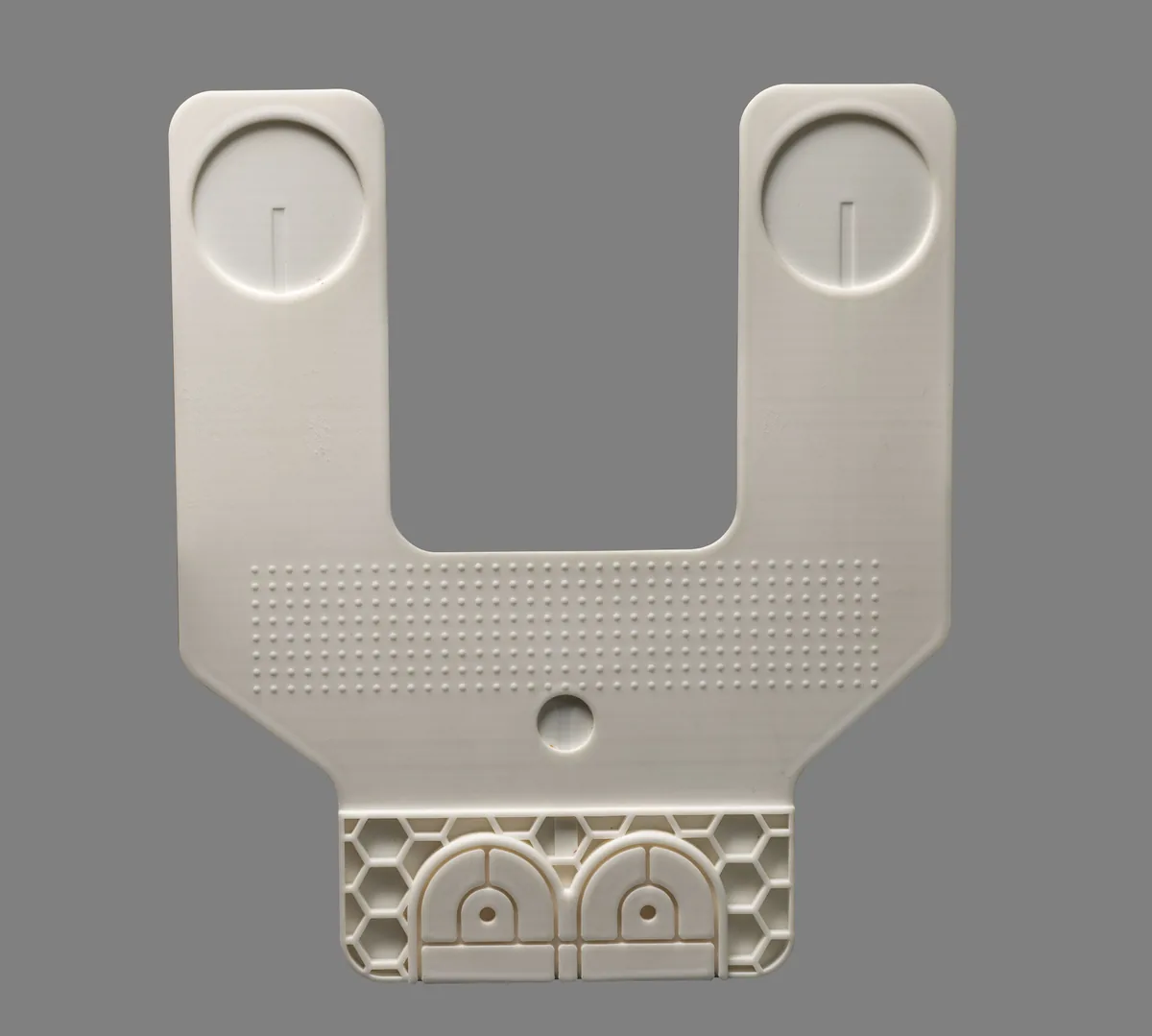
- 1Surface detail printed in, at a print resolution down to 2 µm
- 2Open lattice built in the same print as the body
- 3Technical ceramic, debound and sintered after printing
- 4Critical dimensions verified on our ZEISS PRISMO
Trusted by engineering teams in semiconductor equipment, medical technology and research
- ASML
logo, with written approval - Client logo
- Client logo
- Client logo
- Research partner logo
- Research partner logo
Capabilities at a glance
The numbers engineers ask for first. Full design rules are in our design guidelines.
Explore our technology| Print resolution | Down to 2 µm (0.002 mm) |
|---|---|
| Build envelope | Up to 300 × 300 mm |
| Technical ceramics | Alumina, zirconia, cordierite, hydroxyapatite |
| Precision resins | Prototypes, connectors, microfluidic parts |
| Measurement | ZEISS PRISMO coordinate measuring machine, maximum permissible error 0.7 + L/400 µm |
| Quantities | Single prototypes to series of typical series size |
| Typical lead time | resin and ceramic lead times |
| Location | Oirschot, Brainport Eindhoven region, the Netherlands |
Three ways we turn a drawing into a part
Most projects use more than one: a resin prototype to check fit, then a ceramic part for the real environment, finished and measured in house.
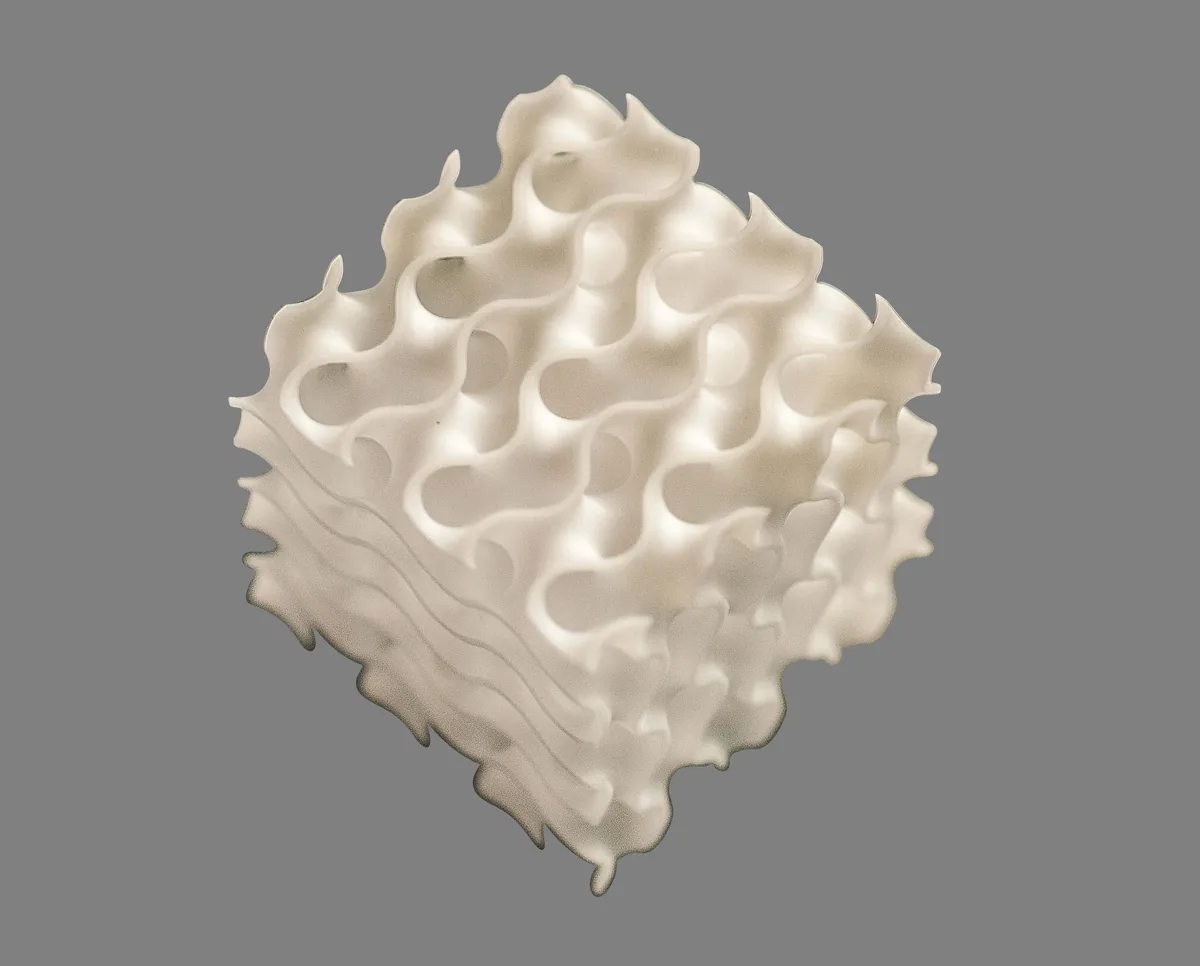
Ceramic 3D printing
Dense technical ceramics in shapes that cannot be machined: lattices, channels, thin walls and undercuts.
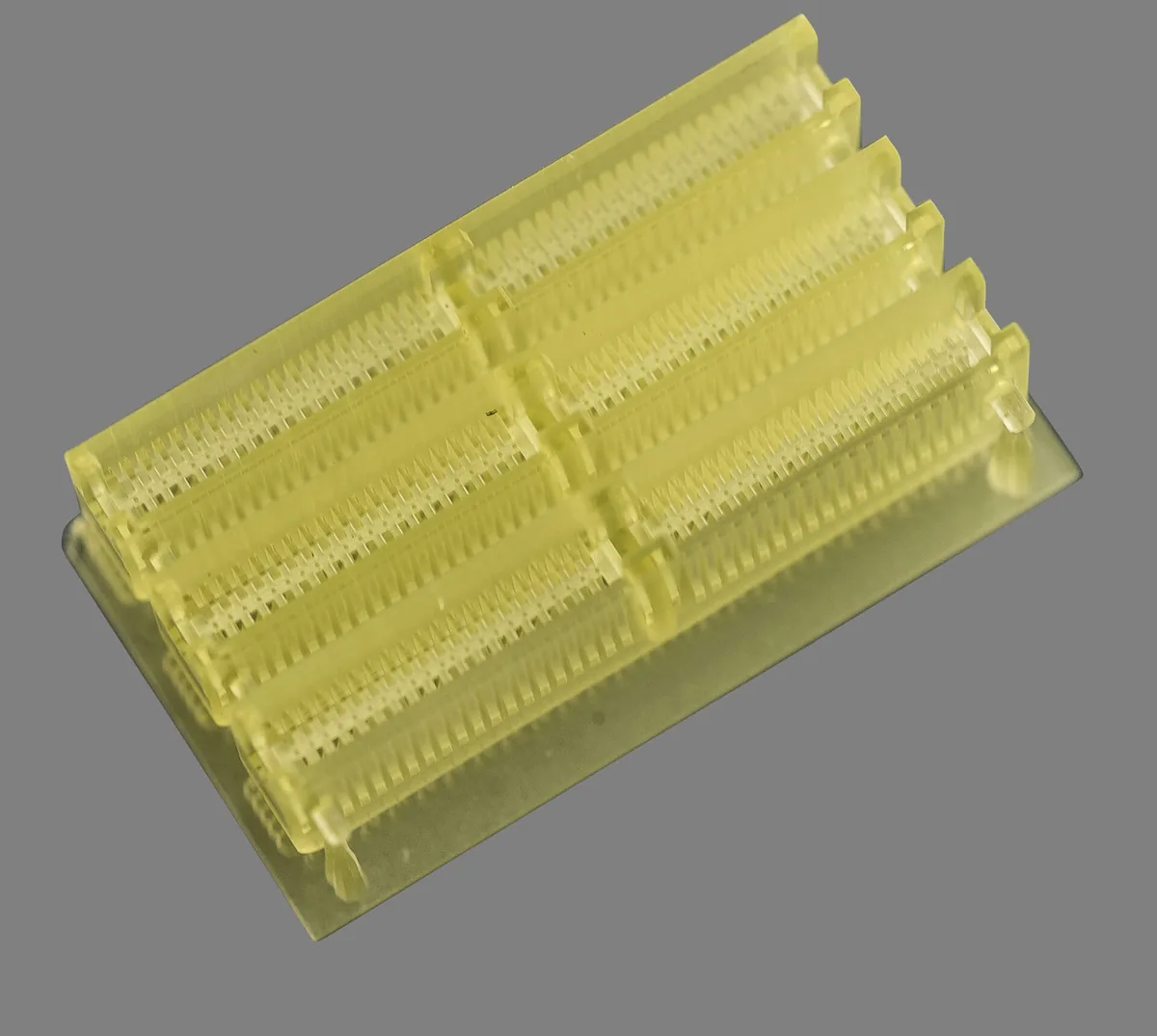
Micro-precision printing
Resin parts with micron-scale features for prototypes, connectors and microfluidic chips.
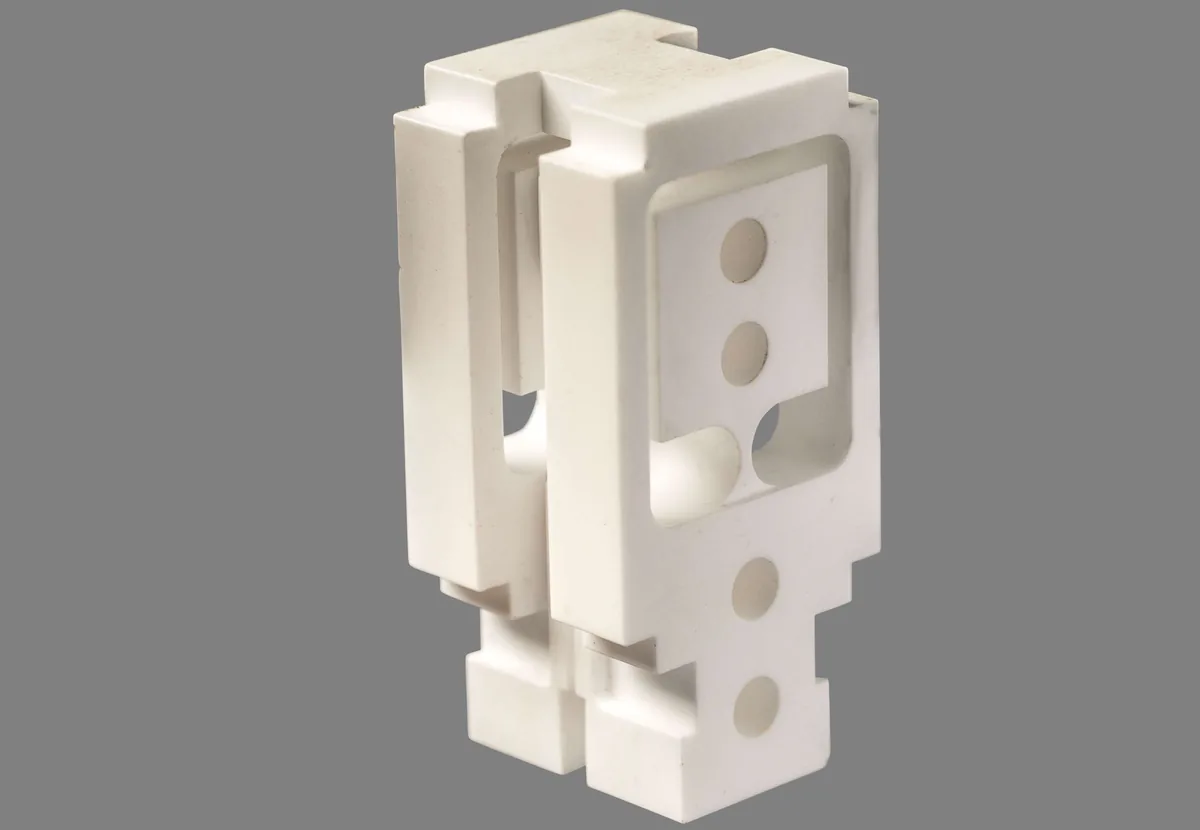
Engineering and finishing
Design for additive manufacturing, material advice, post-processing and measurement reports.
Where our parts work
Six industries with one thing in common: a part that has to be exact, clean or heat resistant, often all three. Browse by function instead.
Semiconductor equipment
Insulating, clean and dimensionally stable parts for lithography, wafer handling and inspection systems.
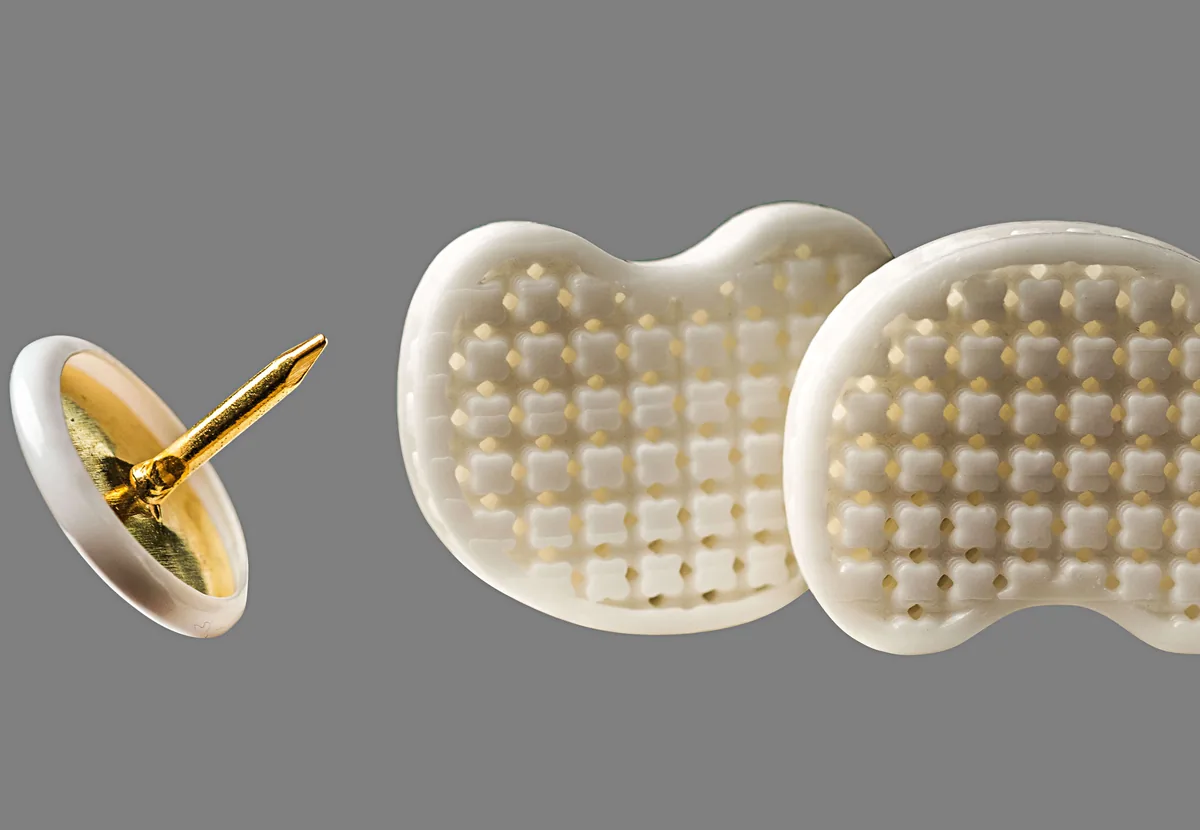
Medical devices
Hydroxyapatite and zirconia components for device developers and research groups.
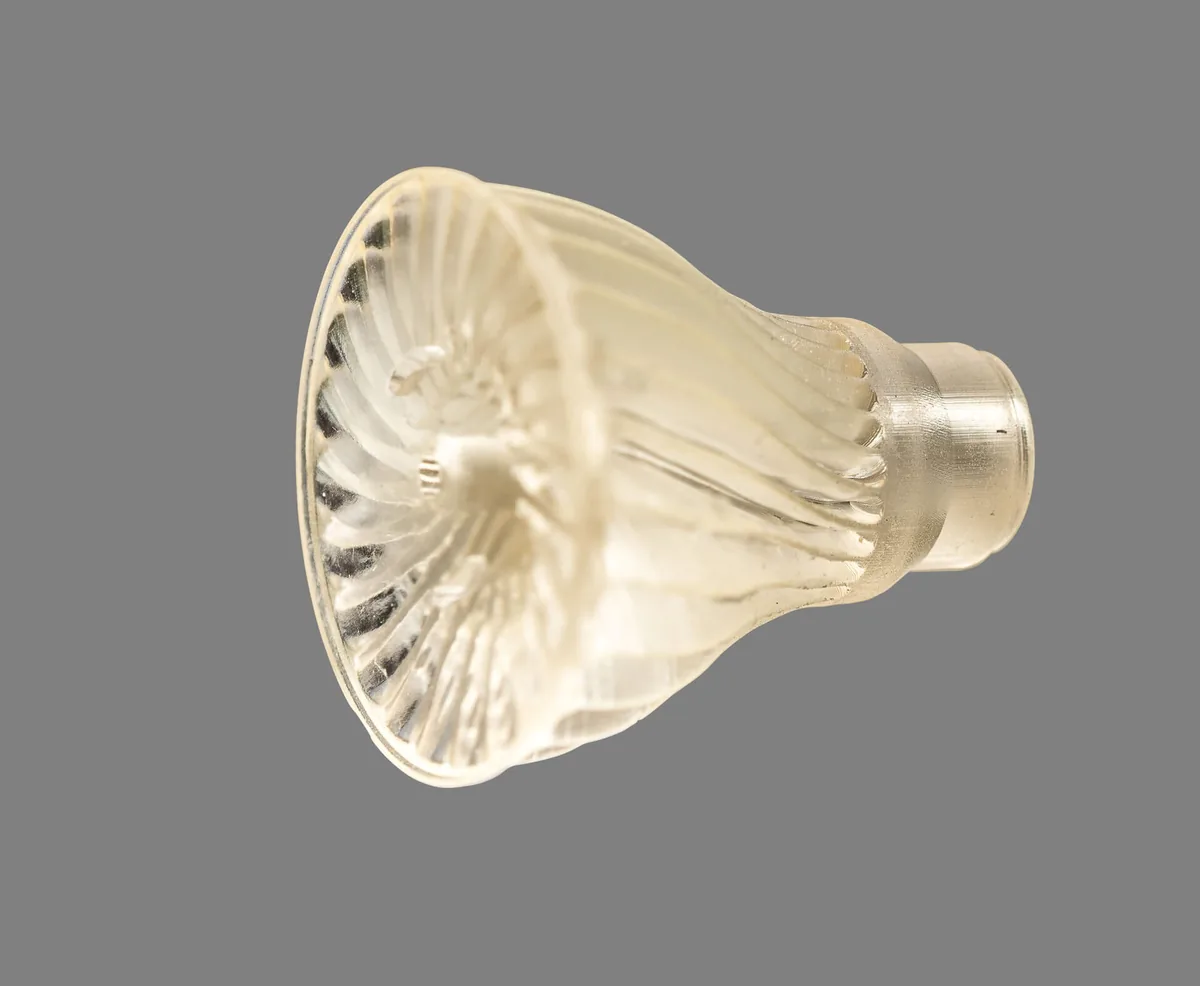
Aerospace and space
Lightweight, heat resistant structures and thermally stable mounts.
Metrology and optics
Frames, fixtures and mounts that keep their dimensions.
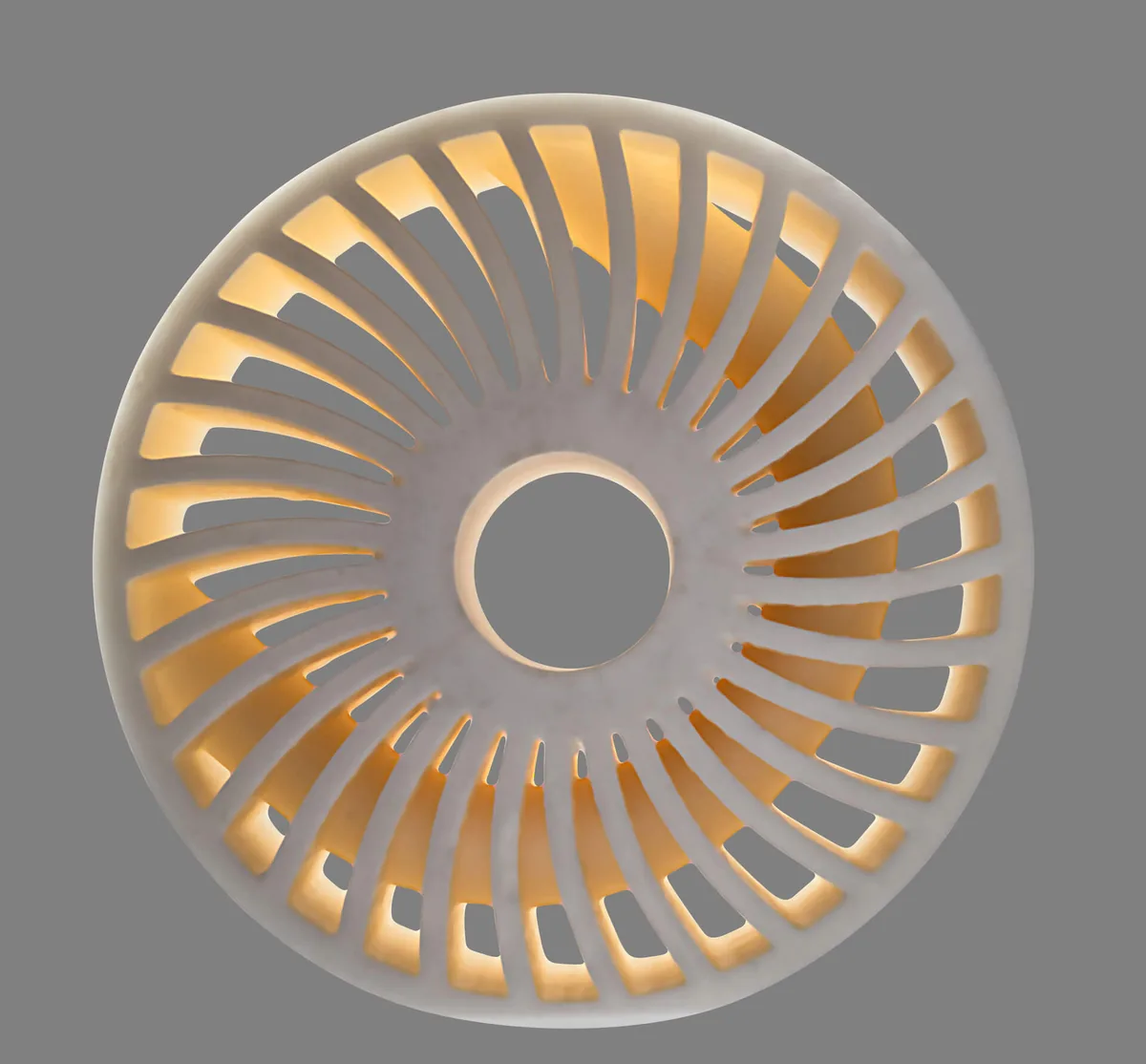
Energy and chemical processing
Heat exchangers, filters and catalyst carriers with designed internal structures.
Electronics and microfluidics
Connector housings, sockets and microfluidic chips with micron-scale features.
When is ceramic the right material?
Choose a technical ceramic when a part must stay hard, clean, insulating or dimensionally stable in conditions where metals corrode or conduct and polymers soften. The trade-off is brittleness: ceramic parts need designs that avoid impact and point loads.
Many manufacturers still rule ceramics out because machining them is slow and expensive. Printing changes that equation for complex parts and small series.
| Property | Technical ceramics | Metals | Engineering polymers |
|---|---|---|---|
| Hardness and wear | Highest | Medium | Low |
| Service temperature | Very high | High | Mostly below 250 °C |
| Electrical | Insulating | Conductive | Insulating |
| Chemical resistance | Excellent | Varies, can corrode | Varies, can swell |
| Thermal expansion | Low | Medium | High |
| Toughness | Low, brittle | High | Medium |
General behavior of each material class. See the materials comparison for values.
From drawing to measured part
Five steps, one team, one location. You talk to the engineers who make your part.
Send your design
STEP file or drawing, quantity and the conditions the part will see. NDA first if you need it.
Design review
An engineer checks printability, suggests a material and design changes, and quotes.
Resin prototype
Optional. A fast resin print to confirm form, fit and assembly before ceramic.
Print and sinter
The ceramic part is printed, debound and sintered, then finished where needed.
Measure and ship
Critical dimensions measured on our ZEISS PRISMO and shipped with the report.
Case study
A one-piece ceramic gripper for precision handling
A handling gripper with integrated lattice and fine surface texture, printed in one piece and verified on our CMM.
- measured result, for example flatness or mass reduction
- lead time compared with the previous route
- number of parts or iterations
Learn what printed ceramics can do
We share what we learn in the lab: how the process works, how to design for it and where it beats machining. Written by our engineers, free to read.
What is ceramic 3D printing?
The process from slurry to sintered part, the materials, and where it fits next to machining and molding.
Ceramic vs metal vs polymer
A practical comparison for engineers choosing a material, with a decision checklist.
Design guidelines for ceramic 3D printing
Wall thickness, shrinkage, orientation, holes and channels: the rules that decide whether a part prints well.
Ceramic AM Masterclass
A one-day course in Oirschot for engineers who want to specify printed ceramics with confidence.
A community for engineers who work at the micron scale
Open Lab Days, a webinar series, a yearly design challenge and a monthly newsletter. Meet the people who print, measure and use precision ceramics.
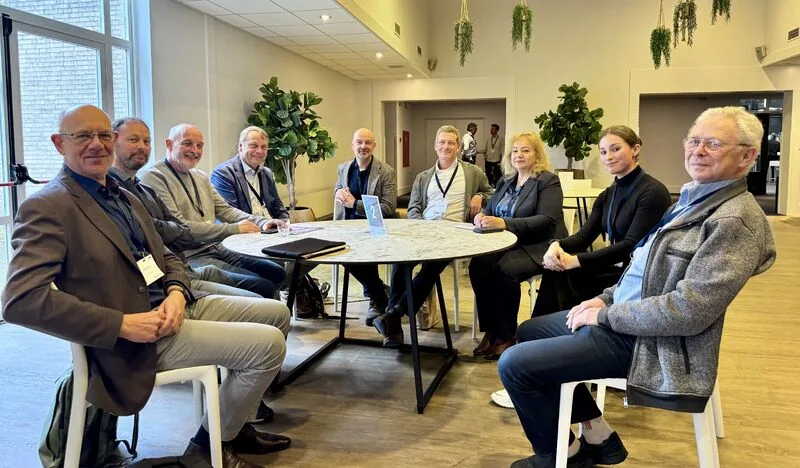
Coming up
- date, Q1 2027Open Lab Day
Open Lab Day
See the printers in action, hold real samples and discuss your own part with our engineers. Free, registration required.
Z3Dlabs, Oirschot - date, spring 2027Masterclass
Ceramic AM Masterclass
A one-day course on designing and specifying 3D printed technical ceramics, with a lab tour and hands-on samples.
Z3Dlabs, Oirschot - dateWebinar
Microns Matter webinar: designing for ceramic 3D printing
Forty-five minutes on wall thickness, shrinkage and orientation, with live questions.
Online
Get The Micron
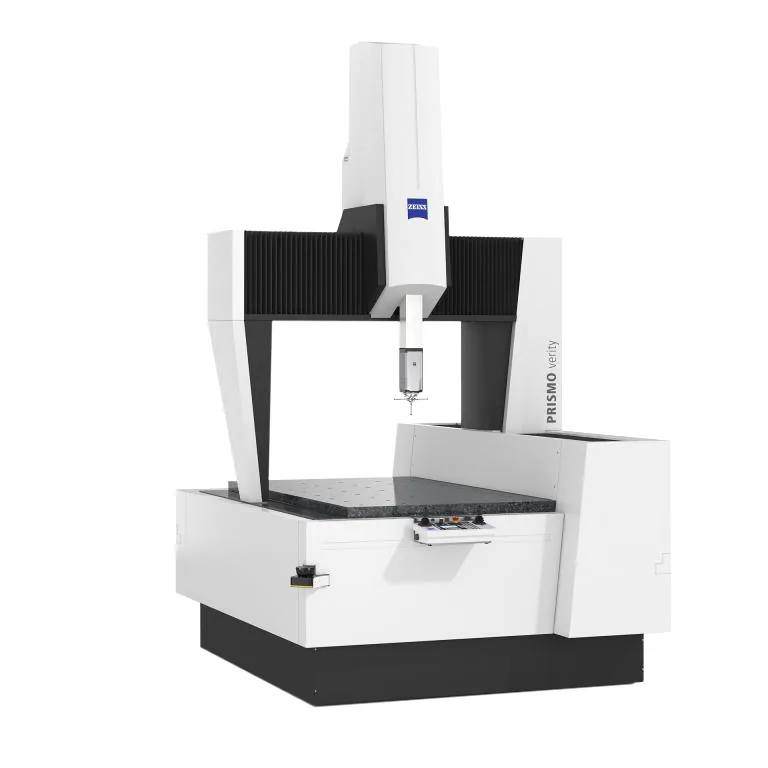
Quality you can measure
A printed part is only as good as the proof that it meets the drawing. We measure critical dimensions on a ZEISS PRISMO with a maximum permissible error of 0.7 + L/400 µm and ship the report with the part.
Certification
ISO 9001 / ISO 13485 status and scope
Memberships
Member of Cerameurop, the European ceramics cluster. Host of the Netherlands Ceramic Society (NKV) network meeting in 2025.
Region
Based in Oirschot, in the Brainport Eindhoven high-tech region. Listed in the Mikrocentrum High Tech Platform.
Send us the part that is hard to make
Share a STEP file or drawing. An engineer reviews it, suggests a material and replies with a quote. We sign your NDA first if you need one.