
Precision resins 3D printing
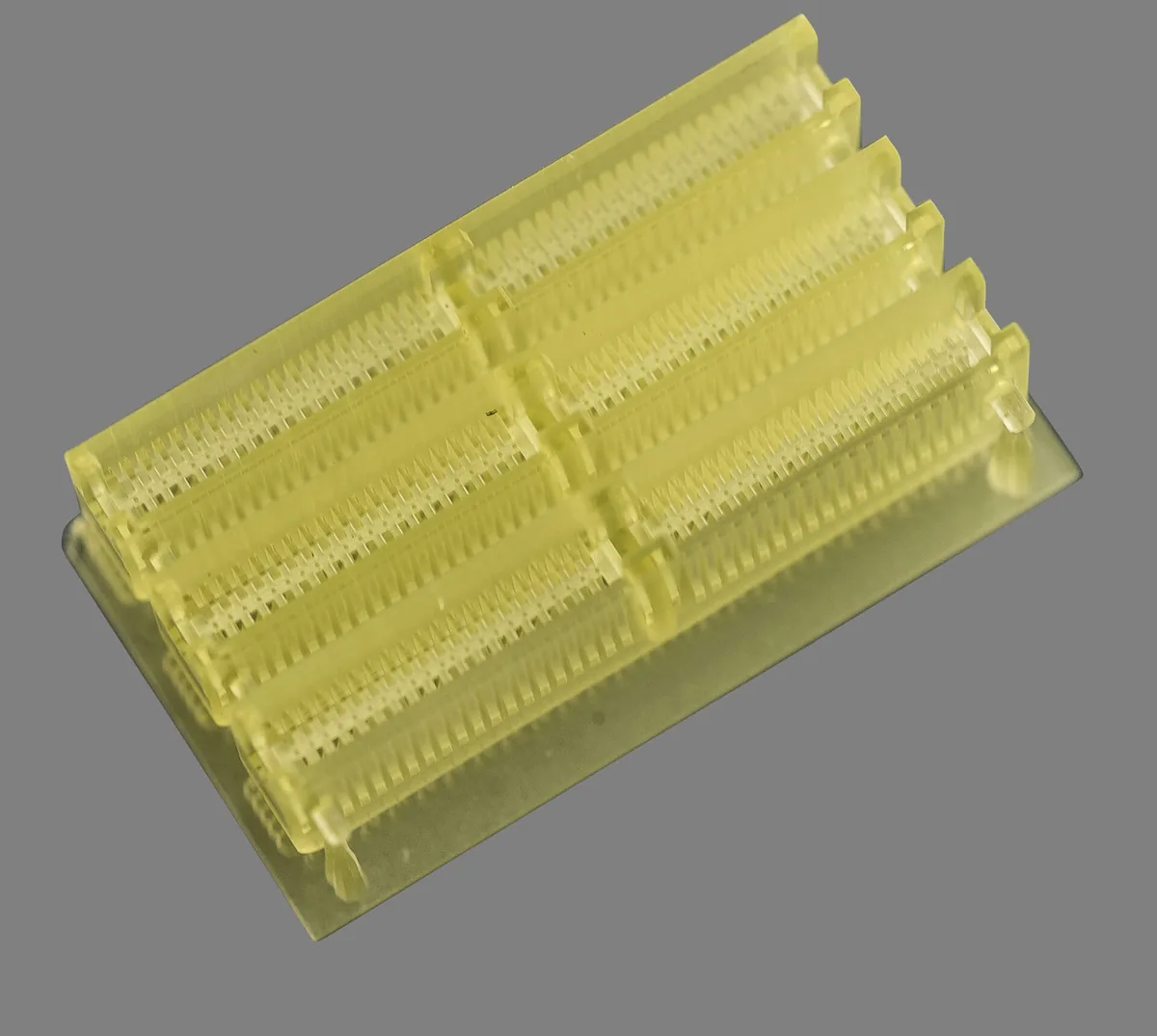
We print resins for rapid prototyping and for micro-precision parts such as connector housings and microfluidic chips. Many projects start in resin to validate form and fit within days, then move to ceramic for the final part.
Photopolymer resins
Why engineers choose precision resins
- Fast iteration on form and fit
- Very fine features and smooth surfaces
- Lower cost per prototype than ceramic
Design with care for
- Lower temperature and chemical resistance than ceramics
- Not intended for demanding end-use environments
Typical properties
| Density (g/cm³) | content needed |
|---|---|
| Flexural strength (MPa) | content needed |
| Vickers hardness (GPa) | n/a |
| Fracture toughness (MPa·m½) | n/a |
| Thermal conductivity (W/m·K) | n/a |
| Thermal expansion (10⁻⁶/K) | content needed |
| Electrical behavior | Insulator |
Typical values for the material class, for orientation. list of resin grades and datasheets
Typical parts
- Prototypes before ceramic production
- Connector and socket housings
- Microfluidic chips
- Fit and assembly checks
Used in: Electronics and microfluidics, Medical devices
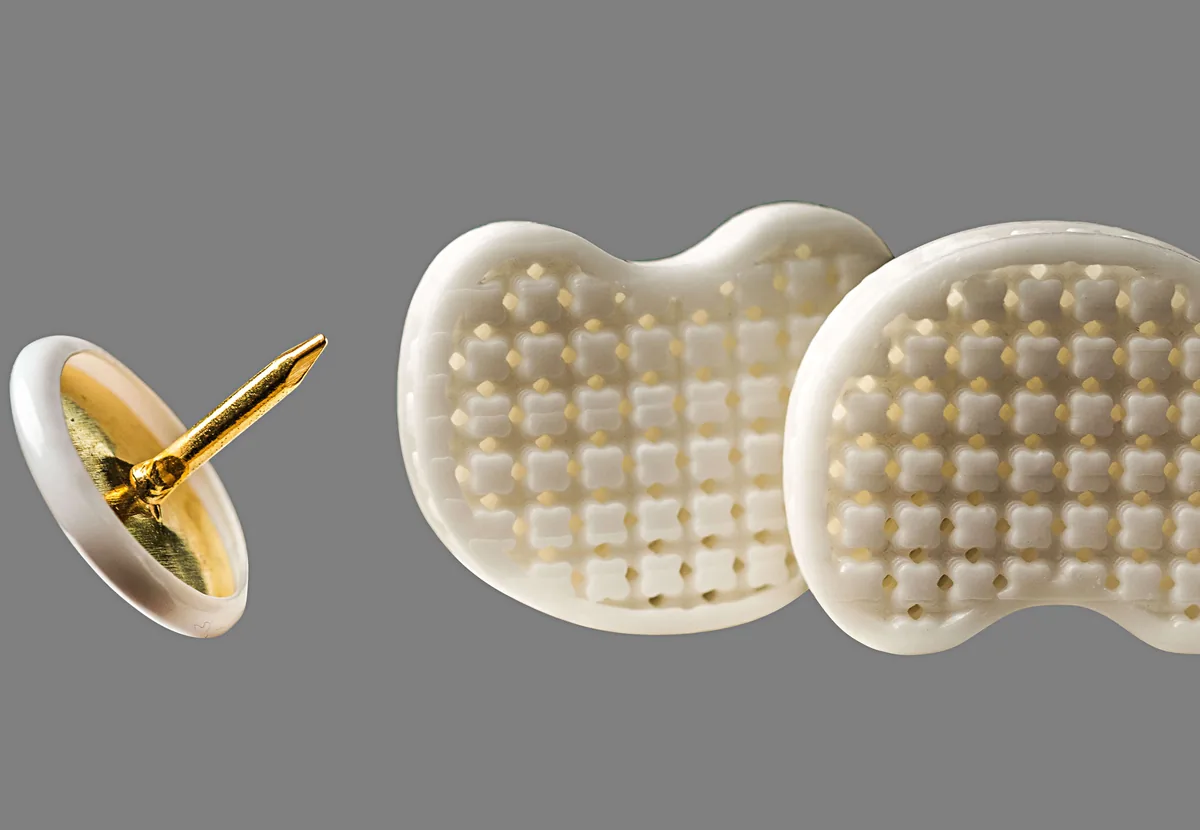
Print your part in precision resins
Share a STEP file or drawing. An engineer reviews it, suggests a material and replies with a quote. We sign your NDA first if you need one.